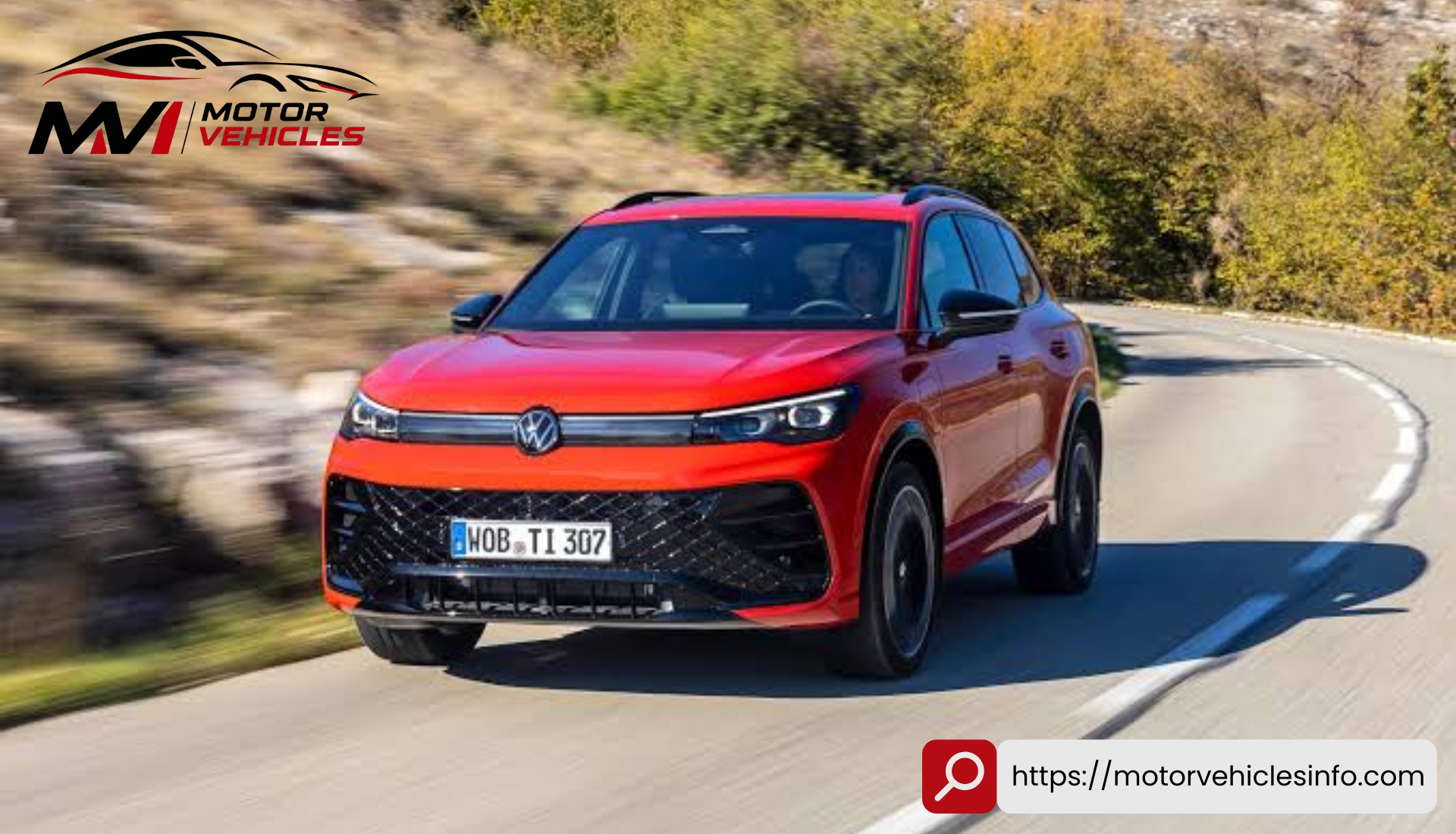
Step inside the Volkswagen Tiguan eHybrid, and the first thing you’ll notice is what’s missing — clutter, guesswork, and a dated dashboard. The Tiguan eHybrid interior for 2026 replaces all of that with a driver-centric layout, sharp digital displays, and genuinely comfortable seating that holds up on long trips, not just short showroom test drives. If you’ve been let down by cabins that look good in photos but feel cramped or gimmicky in real life, this is the plug-in hybrid SUV built to fix that.
In this guide, we break down every part of the Tiguan eHybrid’s high-tech, spacious cabin — from the digital cockpit and infotainment system to seating comfort, ambient lighting, and the practical touches that make it one of the best interiors in its class for 2026.
Why the Tiguan eHybrid Interior Stands Out in 2026
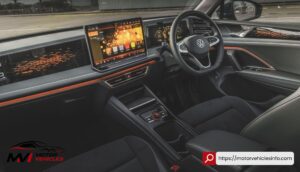
The competition in the compact SUV and PHEV segment has never been tighter, and Volkswagen knows a cabin can no longer just be “good enough.” The Tiguan eHybrid interior was engineered around three priorities: technology that actually helps the driver, space that works for real families, and materials that feel premium rather than plasticky. Here’s what that looks like in practice.
1. Digital Cockpit Pro — Information Without the Clutter
The 10.25-inch Digital Cockpit Pro sits directly behind the steering wheel and displays essential driving data — speed, navigation, battery status, and driver-assist alerts — with sharp, easy-to-read clarity. Unlike older analog clusters, this configurable display lets drivers prioritize the information that matters most to them, whether that’s range anxiety management on electric-only trips or navigation on the highway.
2. 15-Inch Touchscreen With MIB4 Infotainment
At the center of the dashboard sits a 15-inch infotainment touchscreen, running Volkswagen’s latest MIB4 system. It supports Apple CarPlay and Android Auto, so drivers can mirror their phone seamlessly. The larger screen size (a noticeable jump from previous-generation Tiguan models) makes menus easier to navigate on the move, and response times are noticeably quicker than earlier MIB systems.
3. 30-Color Ambient Lighting
A small but meaningful upgrade: 30-color ambient lighting lets drivers and passengers customize the cabin’s mood, whether that’s a calm blue for night drives or a warmer tone for everyday commuting. It’s a detail that sounds cosmetic but genuinely changes how the cabin feels after dark.
4. Ergonomic Sports Seats With Heating and Ventilation
The ergonomic sports seats are available with heated and ventilated options, which matters more than it sounds — ventilated seats in particular are still missing from many rivals in this price bracket. Combined with proper lumbar support, these seats hold up on multi-hour drives instead of causing the fatigue common in flatter, budget-grade seating.
5. Panoramic Sunroof and Rear Legroom
A panoramic sunroof stretches across the roofline, making the cabin feel noticeably larger than its exterior dimensions suggest. Rear passengers benefit from generous legroom, which is one of the main reasons the Tiguan eHybrid keeps showing up on shortlists for family SUVs and road-trip vehicles.
Performance Behind the Comfortable Cabin
A spacious, high-tech interior means little if the SUV underneath can’t back it up. The Tiguan eHybrid pairs its cabin with a plug-in hybrid drivetrain that combines a turbocharged petrol engine with an electric motor.
- 1.5L TSI turbocharged petrol engine + electric motor, producing up to 272 horsepower
- Front-Wheel Drive (FWD) or optional 4MOTION All-Wheel Drive
- 6-speed DSG automatic transmission for smooth, quick gear changes
- 0–100 km/h in around 7 seconds
- Fuel consumption as low as 1.6L/100 km
- Up to 100 km of pure electric range for emission-free daily commuting
That efficient electric range matters directly to comfort too — cabin noise on EV-only trips drops dramatically compared to a combustion-only SUV, which is part of why the interior feels so refined at low speeds.
Driving Modes That Match the Cabin’s Smart Feel
The Tiguan eHybrid offers multiple driving modes that let the digital cockpit and infotainment system reflect exactly how the car is being driven:
- EV Mode – 100% electric power for short city trips (up to 100 km range)
- Hybrid Mode – automatically balances petrol and electric power
- Battery Hold Mode – preserves charge for low-emission zones later in a trip
- Sport Mode – uses both power sources together for maximum acceleration
Technology and Connectivity Inside the Cabin
Beyond the core cockpit and infotainment hardware, Volkswagen has loaded the Tiguan eHybrid with connectivity features that reinforce its high-tech reputation:
- Next-generation MIB4 infotainment, faster and more intuitive than earlier systems
- Voice-control assistant for hands-free operation
- We Connect Plus, enabling remote control of vehicle functions from a smartphone app
- Wireless charging and USB-C ports throughout the cabin
- Harman Kardon premium sound system for an immersive audio experience
Safety Features Built Into the Driving Experience
A comfortable interior should also be a safe one. The Tiguan eHybrid includes driver-assistance technology that’s tightly integrated with the digital cockpit:
- Travel Assist 2.0 — semi-autonomous driving support for highways
- Emergency braking system that detects pedestrians and vehicles
- Park Assist Plus for automatic parking in tight spaces
- Blind spot monitor with visual alerts
- Traffic sign recognition, displayed directly on the digital dashboard
According to Euro NCAP, the independent European vehicle safety body, models in this class with comparable driver-assistance suites have earned strong five-star safety ratings — a helpful reference point when comparing PHEV SUVs.
Cargo Space: Practical Enough for Family Life
Despite the added hybrid hardware, the Tiguan eHybrid keeps cargo space competitive:
- 615 liters of boot capacity with seats up
- 1,655 liters with the rear seats folded flat
- Hands-free electric tailgate for easier loading
- Flexible rear seat configurations for different cargo needs
Whether it’s a weekend of groceries or a long road trip with luggage for four, the cabin’s layout is built to flex with real-world use rather than just showroom presentation.
Tiguan eHybrid Interior vs. What Buyers Actually Want in 2026
Buyers shopping for a plug-in hybrid SUV in 2026 are prioritizing three things above all: real technology (not screens for the sake of screens), genuine comfort on long drives, and enough space for a family without stepping up to a larger SUV. The Tiguan eHybrid’s combination of a 10.25-inch digital cockpit, 15-inch MIB4 touchscreen, ventilated seating, and nearly 1,700 liters of maximum cargo room checks all three boxes without forcing a compromise on efficiency, thanks to its 100 km of electric-only range.
For official specifications and current configurations, Volkswagen’s own Tiguan eHybrid model page is the most reliable source, since trim availability and options can vary by market and model year.
Frequently Asked Questions
Is the Tiguan eHybrid interior spacious enough for a family of five?
Yes. With generous rear legroom, a panoramic sunroof that opens up the cabin visually, and up to 1,655 liters of cargo space with the seats folded, the Tiguan eHybrid is built to handle family trips and everyday errands comfortably.
Does the Tiguan eHybrid have ventilated seats?
Yes, the ergonomic sports seats are available with both heating and ventilation, which is still uncommon in this SUV segment at this price point.
What infotainment system does the Tiguan eHybrid use?
It uses Volkswagen’s latest MIB4 system on a 15-inch touchscreen, with support for Apple CarPlay and Android Auto.
How far can the Tiguan eHybrid drive on electric power alone?
to 100 km of pure electric range, which covers most daily commuting without using any petrol.
Final Thoughts
The Volkswagen Tiguan eHybrid interior for 2026 isn’t just spacious — it’s genuinely smart, comfortable, and family-ready in a way that’s hard to find at this price point without compromise. Between the digital cockpit, MIB4 touchscreen, ventilated seating, and nearly 1,700 liters of cargo flexibility, it’s built for real life, not just spec sheets.
Thinking about buying a used SUV instead of new? Before you commit, make sure you know how to check a used car’s history and how to tell if a used car has been in an accident so you’re not caught off guard. You can also browse more car buying guides and the latest EV and hybrid coverage on Motor Vehicles Info.