An odometer rollback is one of the oldest tricks in the used-car trade, and it is far more common than most buyers realize. According to the National Highway Traffic Safety Administration, more than 450,000 vehicles are sold each year with false odometer readings in the United States, and separate NHTSA research puts the annual cost to consumers at over $1 billion. If you’re buying a used car in 2026, knowing how to spot a rolled-back odometer isn’t optional — it’s the difference between a fair deal and a financial trap.
This guide walks through exactly what odometer rollback is, why it still happens even with modern digital odometers, and seven proven checks you can run before you hand over a single dollar.
What Is Odometer Rollback?
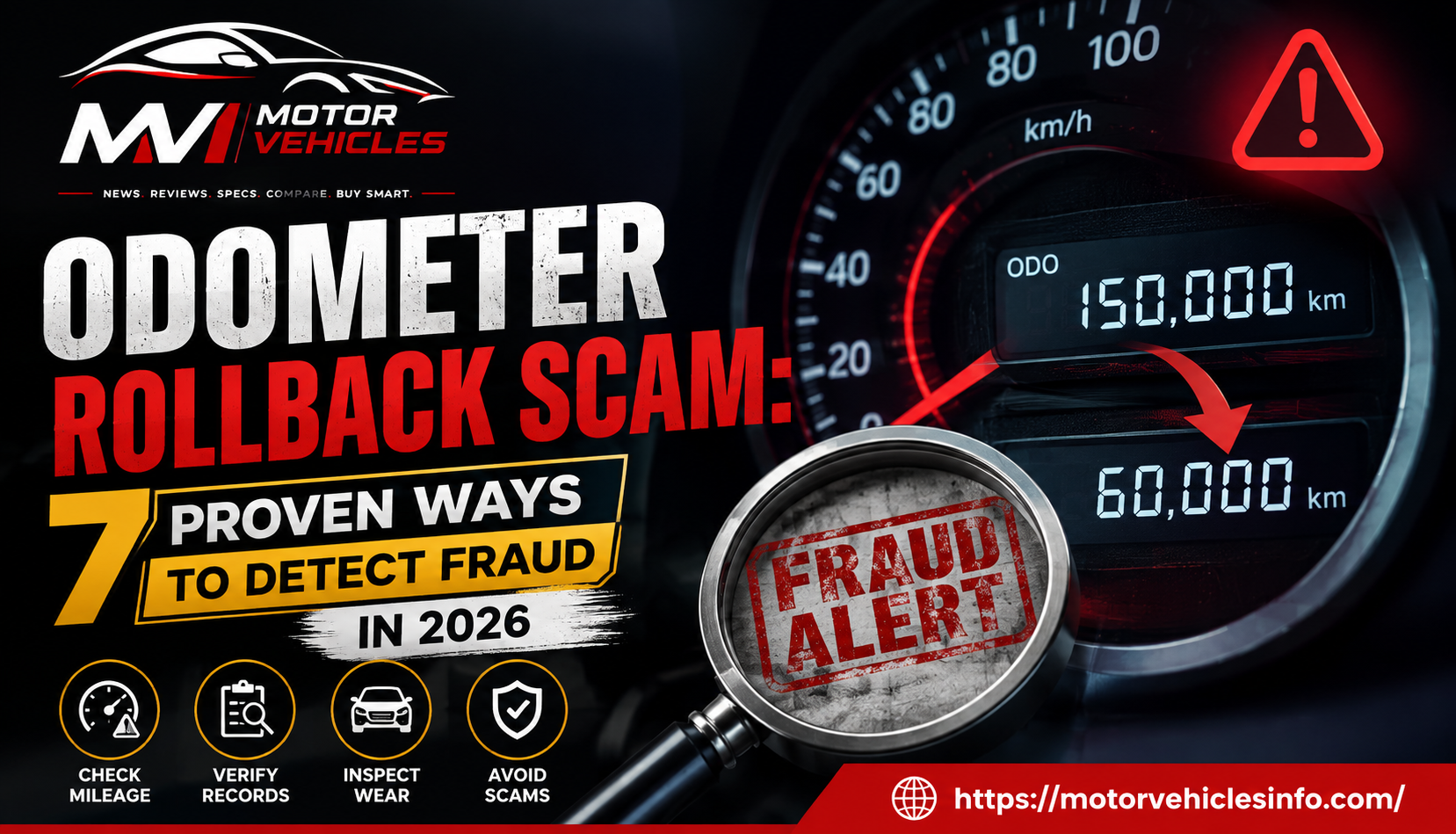
Odometer rollback (also called odometer fraud or mileage rollback) is the deliberate act of reducing a vehicle’s recorded mileage to make it appear less used than it actually is. On older cars, this meant physically disconnecting a mechanical odometer cable and turning the dial back by hand. On modern vehicles, sellers manipulate the digital instrument cluster or use handheld reprogramming tools bought online to reset stored mileage in the vehicle’s computer module.
The motive is simple: mileage drives price. A car with 60,000 miles rather than 110,000 miles can sell for thousands more, and it also unlocks warranty coverage, financing terms, and insurance rates that a higher-mileage car wouldn’t qualify for. That’s exactly why a rolled-back odometer is treated as consumer fraud rather than a minor paperwork issue.
How Common Is Odometer Fraud in 2026?
Digital odometers were supposed to make rollback harder, and in some ways they did — but they also created a new industry of cheap reprogramming tools sold to anyone with a laptop. NHTSA’s own technical research found that a vehicle can have its odometer rolled back at some point during the first 11 years of its life, and critically, that rollback isn’t always caught by a standard vehicle history report if the manipulated mileage still shows an upward trend between reports.
That last point matters. A “clean” history report is not automatic proof that a car’s mileage is accurate — it just means no obvious inconsistency has been reported yet. That’s why the checks below combine document review with physical inspection, rather than relying on one report alone.
7 Proven Ways to Detect Odometer Rollback
1. Pull a Full Vehicle History Report and Check the Mileage Timeline
The single fastest way to catch odometer rollback is to look for a mileage number that goes down over time, or one that jumps unrealistically between two recorded dates. Reports compile mileage readings from title transfers, state inspections, oil changes, and insurance claims — if the numbers don’t climb steadily, that’s your first red flag. Different providers pull from different data sources, so it’s worth comparing more than one before you decide: our guide to comparing a Carfax and an AutoCheck report side by side shows exactly where the two providers catch different problems, including mileage inconsistencies one report missed and the other flagged.
2. Compare Wear and Tear to the Claimed Mileage
Odometers can be altered; physical wear can’t be faked as easily. A car listed at 40,000 miles should have matching wear patterns:
- Brake and gas pedal rubber should show light wear, not deep grooves
- Seat bolsters and steering wheel leather should look barely broken in
- Driver’s floor mat shouldn’t be worn through
If the interior looks like it belongs to a 150,000-mile car but the odometer reads 60,000, that mismatch is one of the most reliable signs of odometer rollback.
3. Inspect the Digital Odometer Display for Glitches
Reprogrammed digital odometers sometimes show subtle tells: misaligned digits, inconsistent font spacing, a flickering display on startup, or a trip odometer that doesn’t reset properly. Turn the ignition on and off a few times and watch the display closely — a rushed rollback job often leaves small electronic artifacts that a careful eye can catch.
4. Check Service Records, Inspection Stickers, and Oil Change Stickers
Oil-change shops and state inspection stations almost always record mileage at the time of service, and many leave a sticker on the windshield or door jamb with the date and mileage written down. Cross-reference these against the current odometer reading. A sticker from eight months ago showing 20,000 more miles than the odometer currently displays is a serious red flag for mileage rollback.
5. Look at Tire Wear and Tire Age
Tires typically last 25,000–50,000 miles. If a car is said to have 30,000 miles but is riding on its third set of tires (check the DOT date code on the sidewall), the math doesn’t add up. This won’t catch every case, but combined with the other checks it builds a much stronger picture.
6. Check State Title and Registration History for Mileage Disclosures
Federal law requires sellers to disclose mileage in writing on the title at every ownership transfer. Request copies of prior title transfers if the seller has them, or check whether your state’s DMV can confirm the last disclosed mileage on record. A gap between the last disclosed title mileage and the current odometer reading — especially a downward gap — is one of the clearest signs of odometer fraud a buyer can find without paying for a report.
7. Run a VIN Check Against Federal and State Databases
Before you buy, pull a full history using the vehicle’s VIN. This cross-references the mileage against multiple independent sources rather than trusting the dashboard number alone. For a complete walkthrough of every method — free and paid — see our guide on how to pull a full vehicle history report before you buy, which covers NMVTIS lookups, paid providers, and what each one actually shows you. You can also start with the official NMVTIS consumer portal, the federal database that state DMVs and insurers report title and odometer data into.
[IMAGE: close-up of a car odometer display showing mileage reading — alt text: “digital odometer display used to detect odometer rollback”]
What to Do If You Suspect Odometer Rollback
If two or more of the checks above don’t line up, don’t sign anything yet:
- Walk away or negotiate down — a mismatched odometer is leverage, not just a red flag
- Get an independent pre-purchase inspection from a mechanic who isn’t affiliated with the seller
- Document everything — photos of the odometer, service stickers, and the title mileage disclosure
- Report suspected fraud to your state’s consumer protection agency or attorney general’s office, and to NHTSA’s Vehicle Safety Hotline if you believe it’s part of a larger scheme.
Is Odometer Rollback Illegal?
Yes. Odometer rollback is a federal crime in the United States under the Truth in Mileage Act, and both the seller and anyone who assists in the tampering can face criminal charges. The law requires the seller to disclose a vehicle’s mileage in writing on the title at every ownership transfer, and the title itself must be produced through a secure process to prevent alteration. You can read more directly from the source on the official NHTSA odometer fraud page, which also lists state-level enforcement contacts if you need to file a complaint.
FAQ
Can a rolled-back odometer be detected after the sale?
Yes, often through a delayed vehicle history report update, a mechanic finding wear inconsistent with mileage, or a later title search. It’s harder after the sale, which is why pre-purchase checks matter most.
Do electric vehicles get their odometers rolled back too?
Less often, but it does happen. EV odometers are stored digitally in the battery management or telematics system, and while harder to alter than older mechanical units, some aftermarket tools can still manipulate them.
Does a clean Carfax mean the mileage is accurate?
Not always. A clean report means no inconsistency has been reported yet — it doesn’t guarantee the mileage was never rolled back, especially if the manipulated number still climbs steadily between service records.
How much does odometer fraud cost buyers on average?
NHTSA estimates the total cost to U.S. consumers at over $1 billion annually across all reported odometer fraud cases combined.
Bottom line: No single check is bulletproof against odometer rollback, but running all seven — history report, wear inspection, digital display check, service records, tire wear, title disclosure, and a VIN-based database search — makes it extremely hard for a rolled-back number to slip past you. When in doubt, pull a full vehicle history report before you negotiate, not after.
Have you caught a seller with a rolled-back odometer? Share what tipped you off in the comments below.